We recently visited Bristol Costume Services as part of our ongoing creative costume work towards Chitty Chitty Bang Bang and Hushabye, which will be performed at the Palace Theatre Paignton on 6th and 7th August.
This visit had been in the planning for a while, especially as we’ve been working with young people across DAS, DYT and community work who are developing a real interest in costume design. Not just how costumes are made, but how ideas begin and evolve. A big part of the work we’ve been doing is encouraging them to move beyond simply recreating what they already know from film or stage versions, and instead ask different questions — what else could this character look like? What story could a costume tell if you approached it from a different angle? How far can you push an idea if you stop trying to copy and start experimenting?
Here are just some of the fantastic designs DAS have been working on.
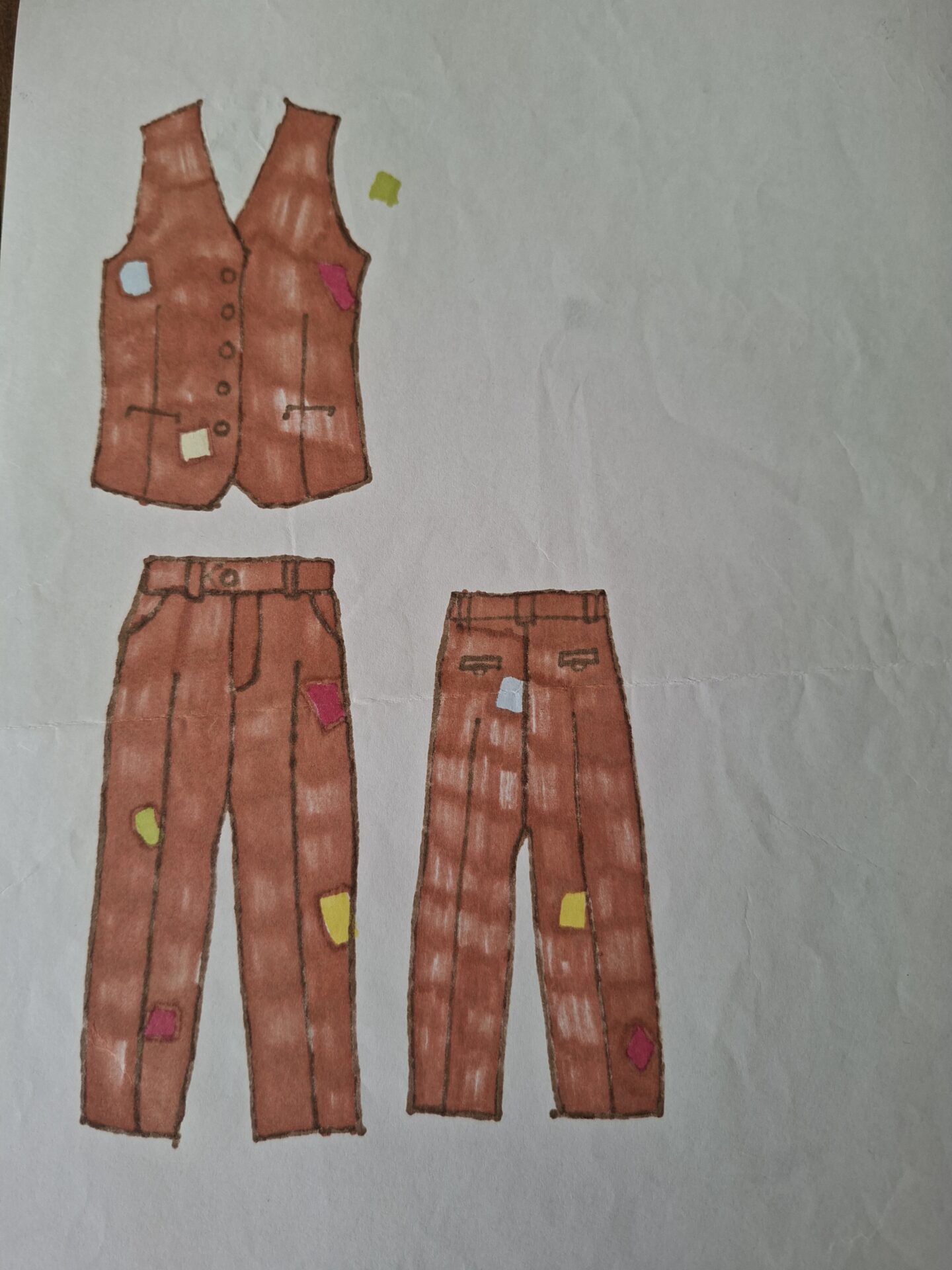
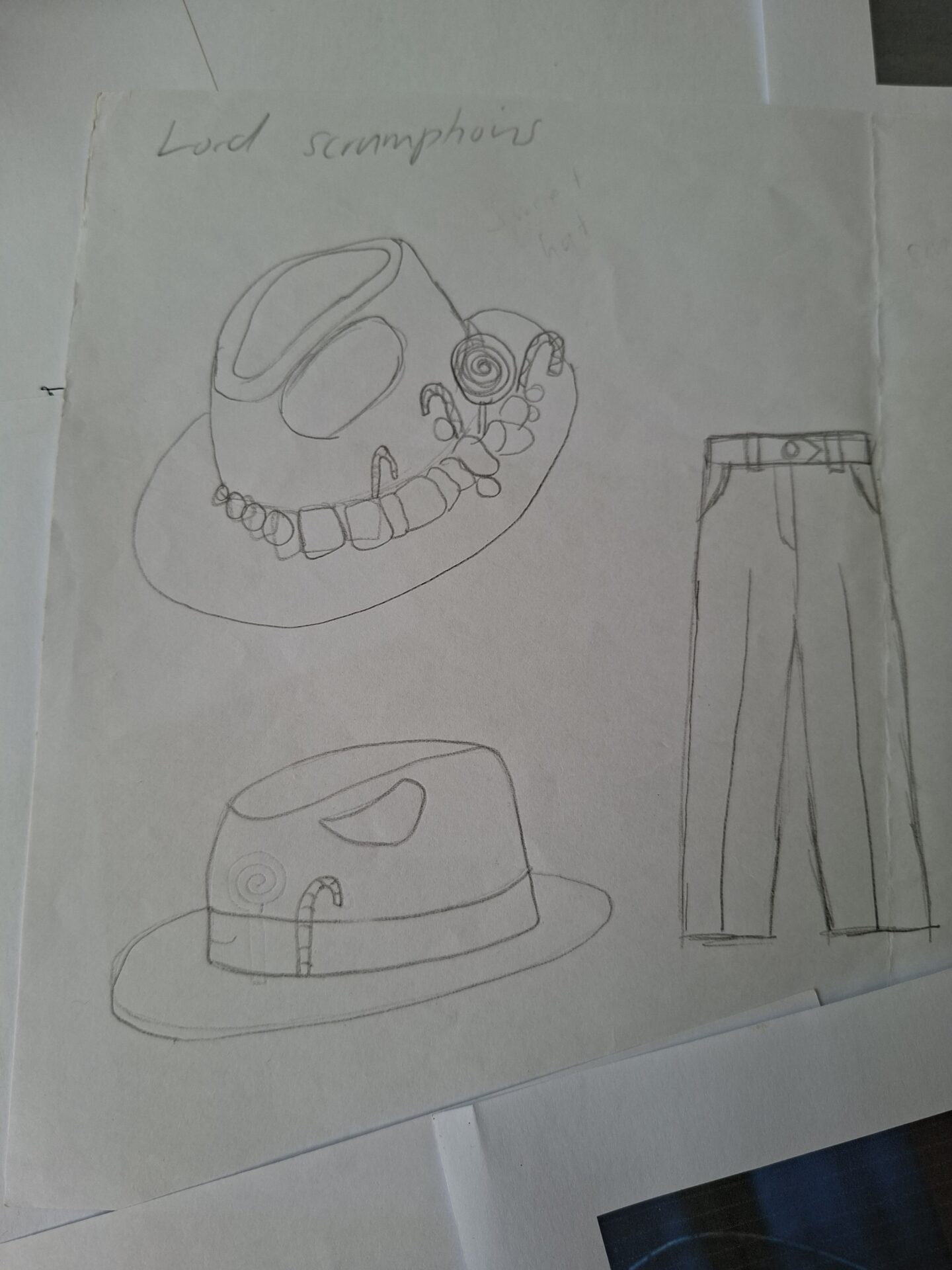
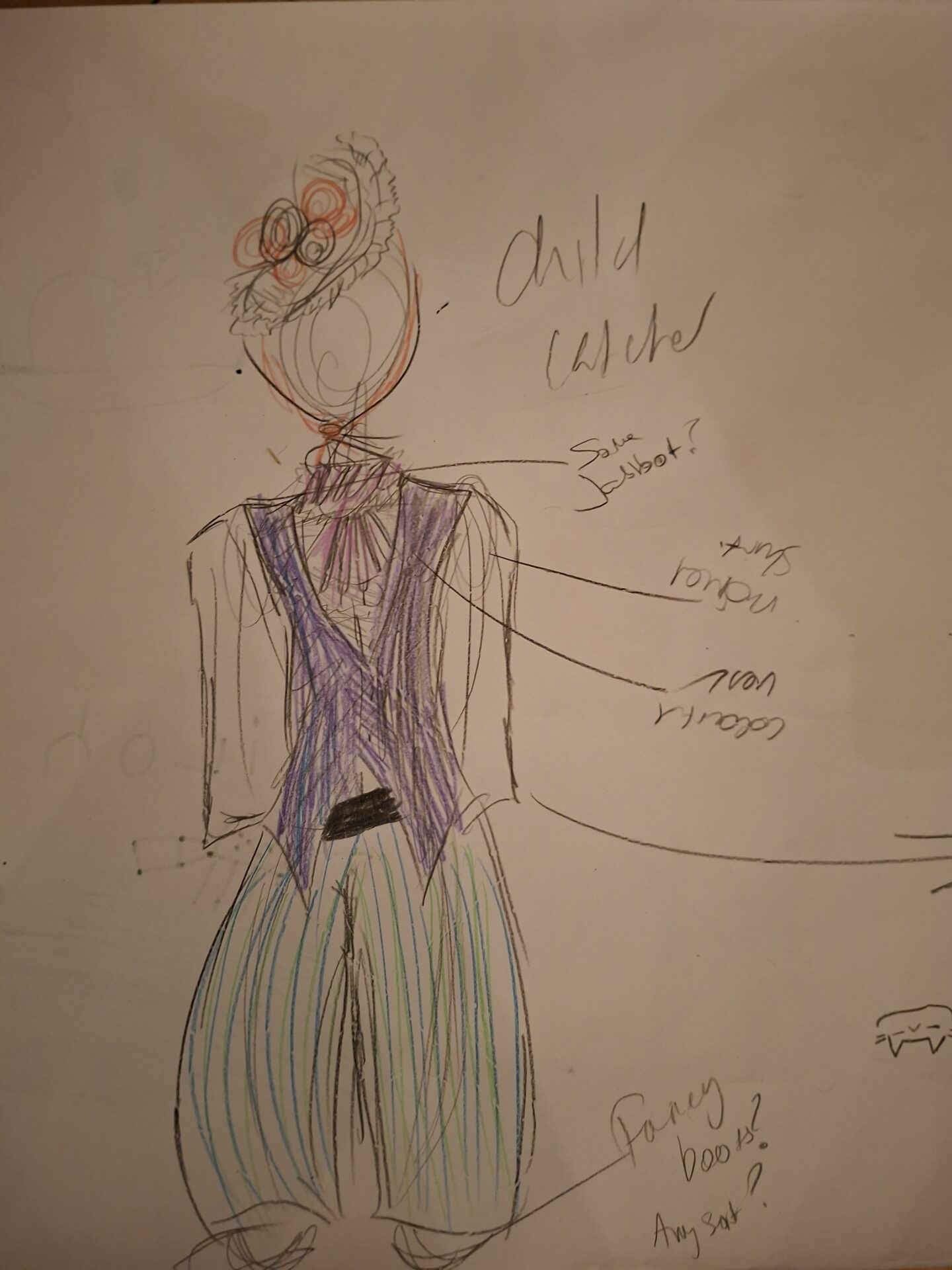
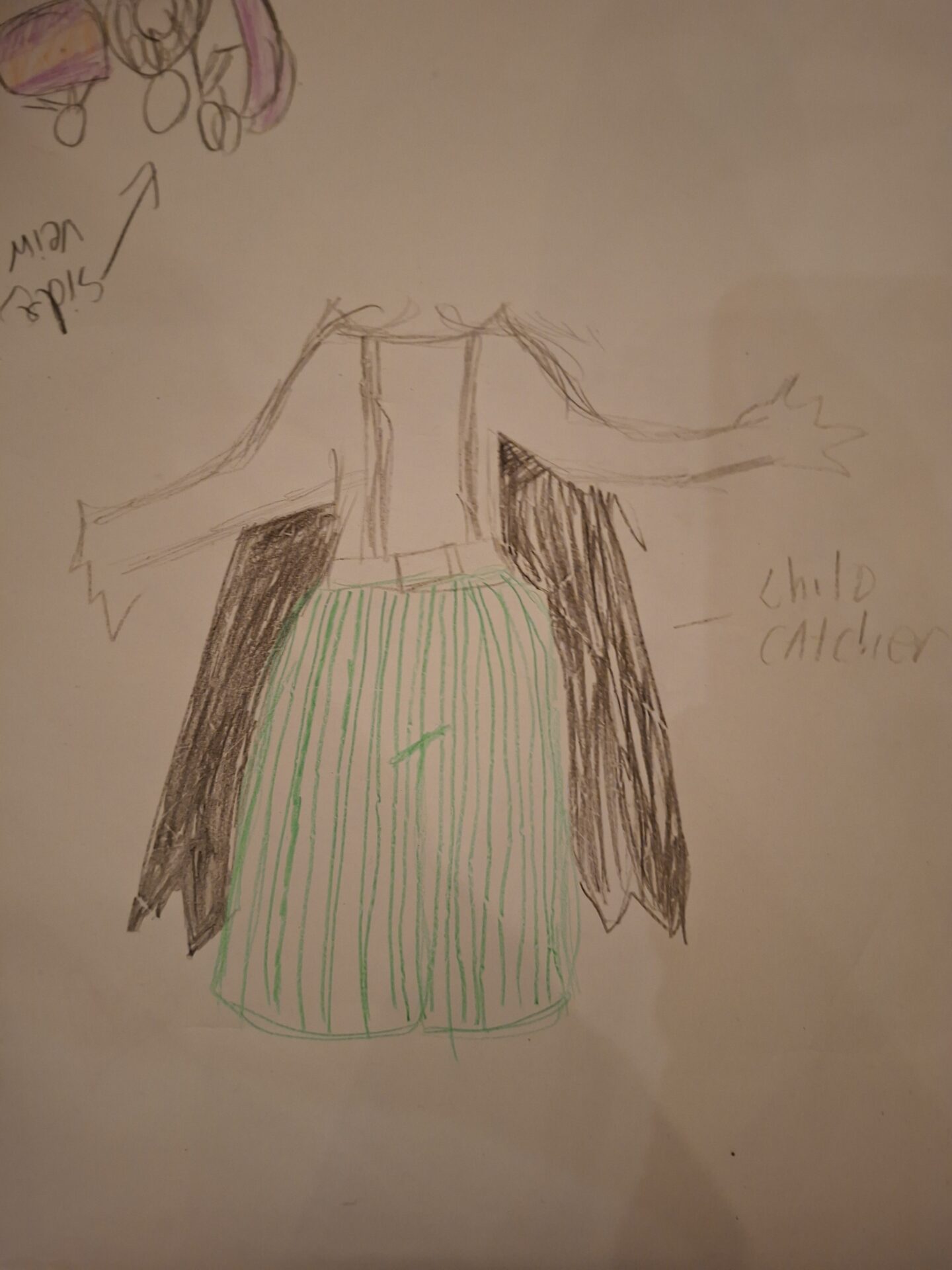
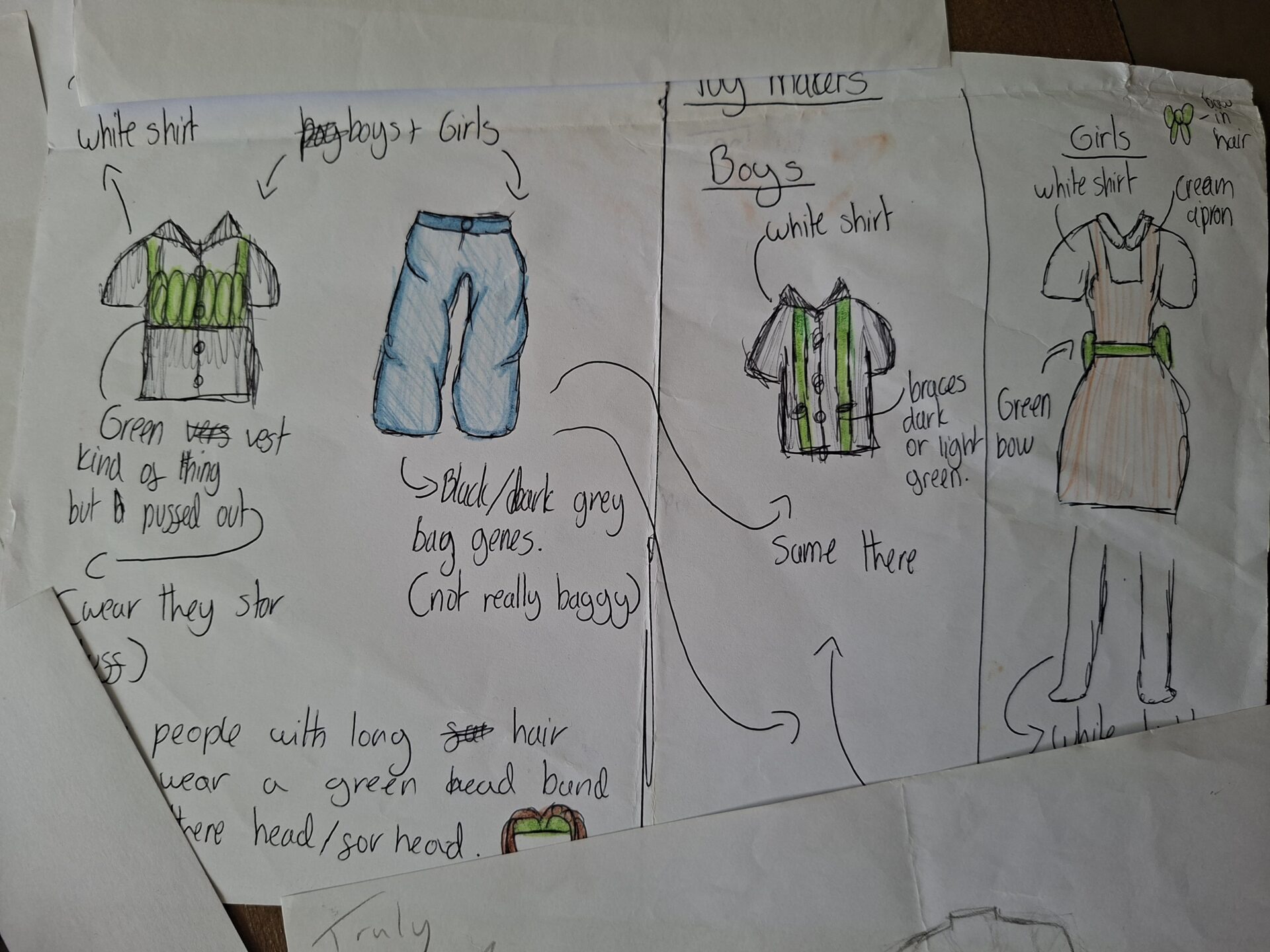
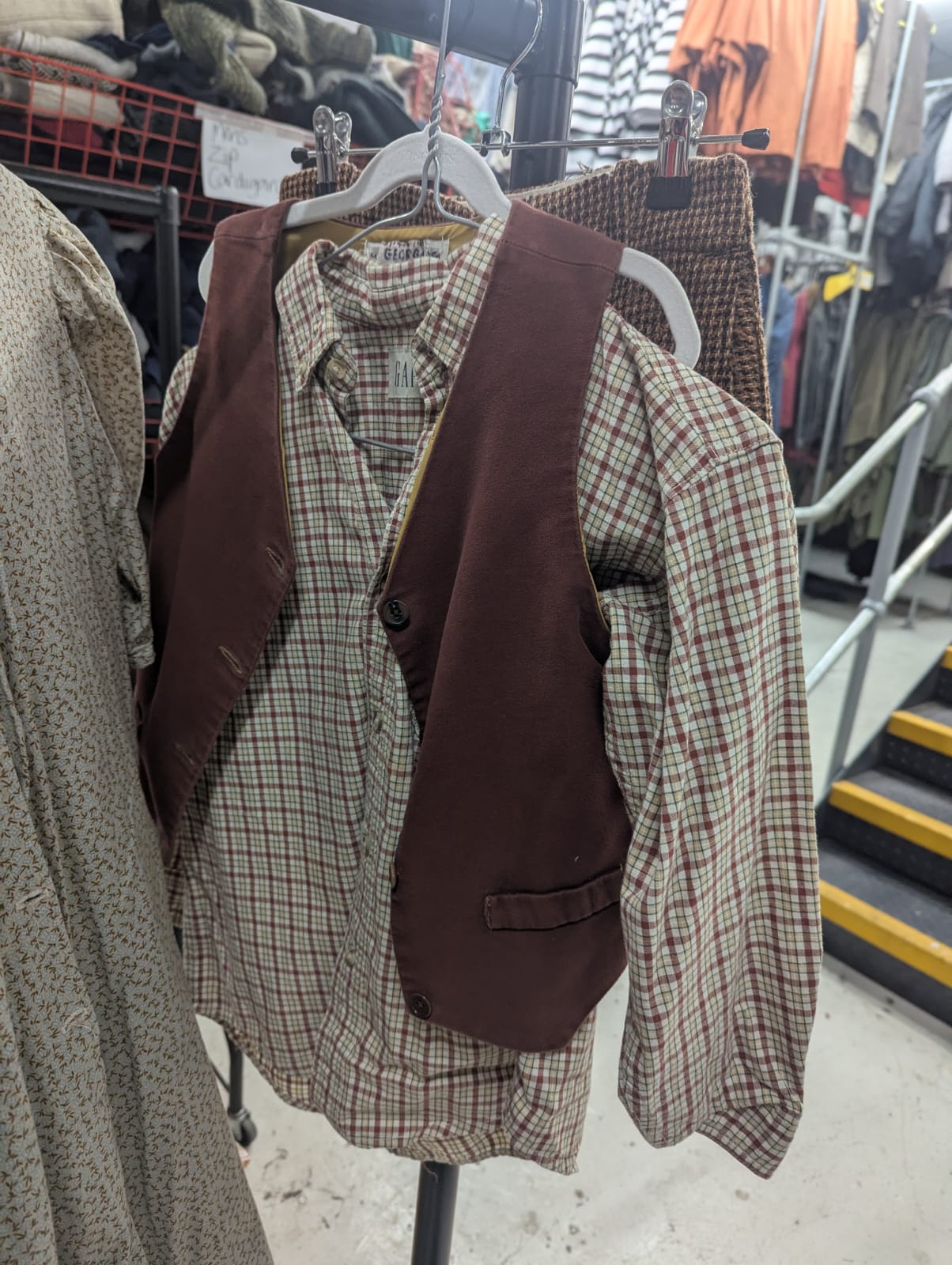
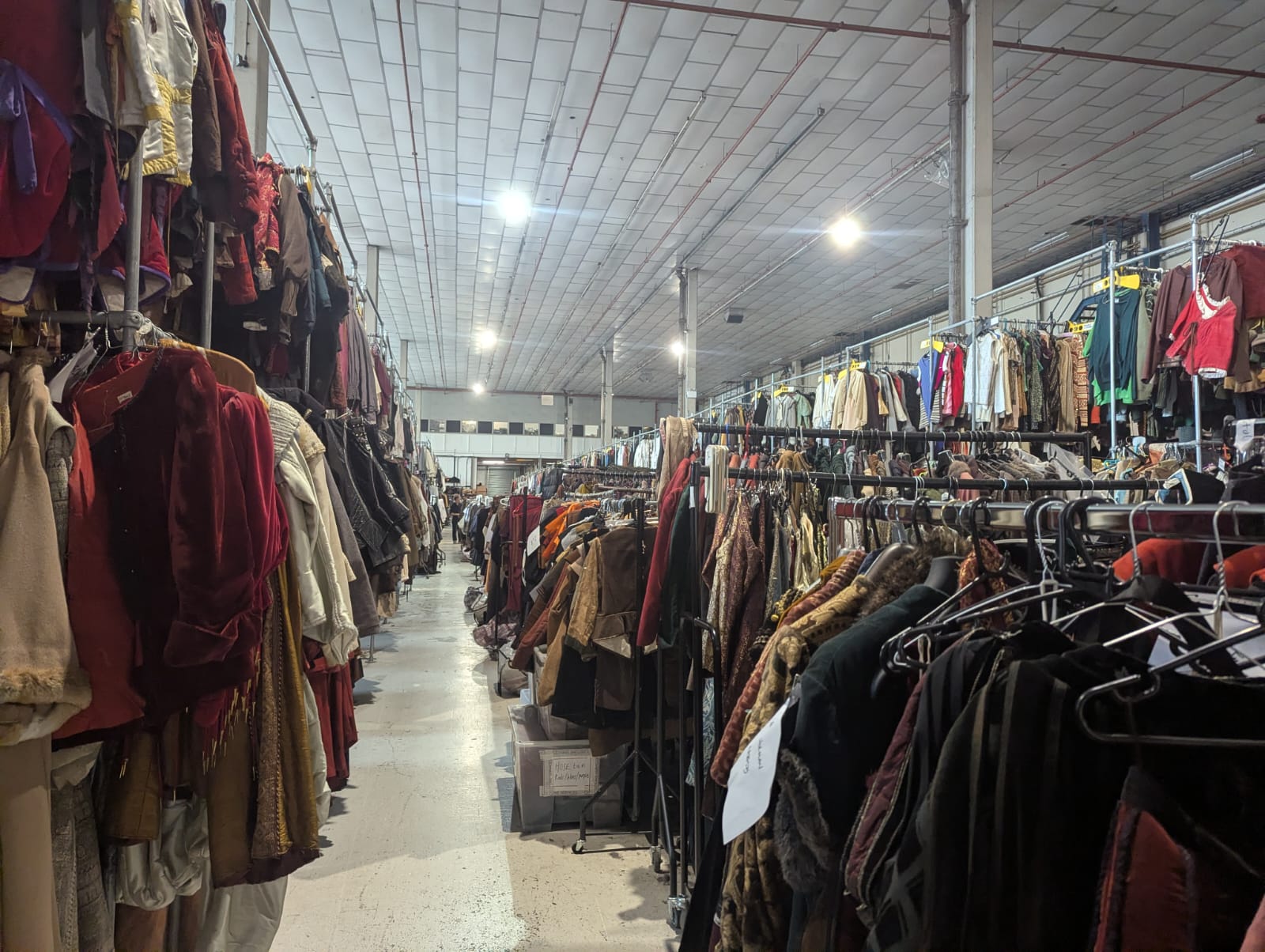
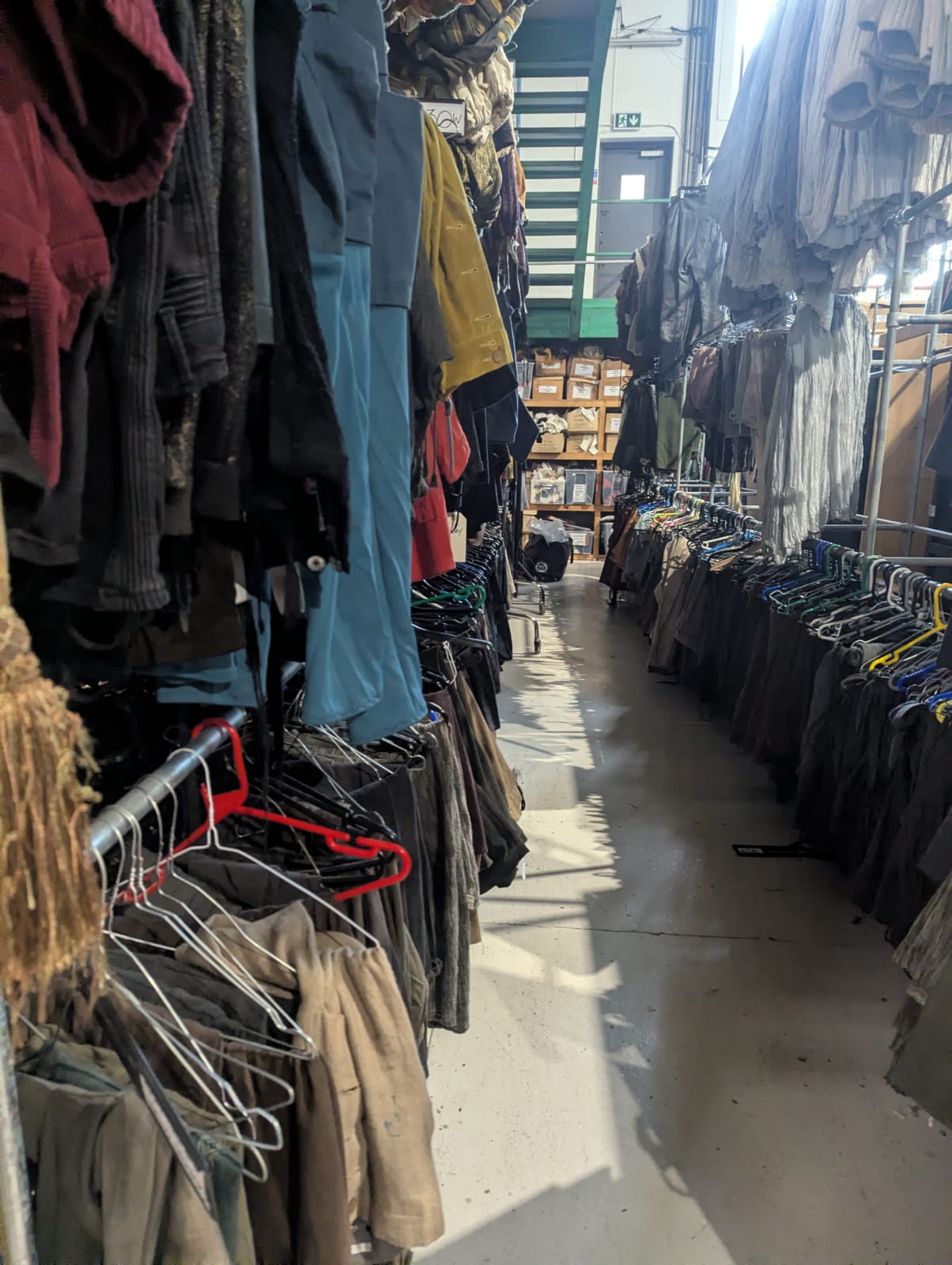
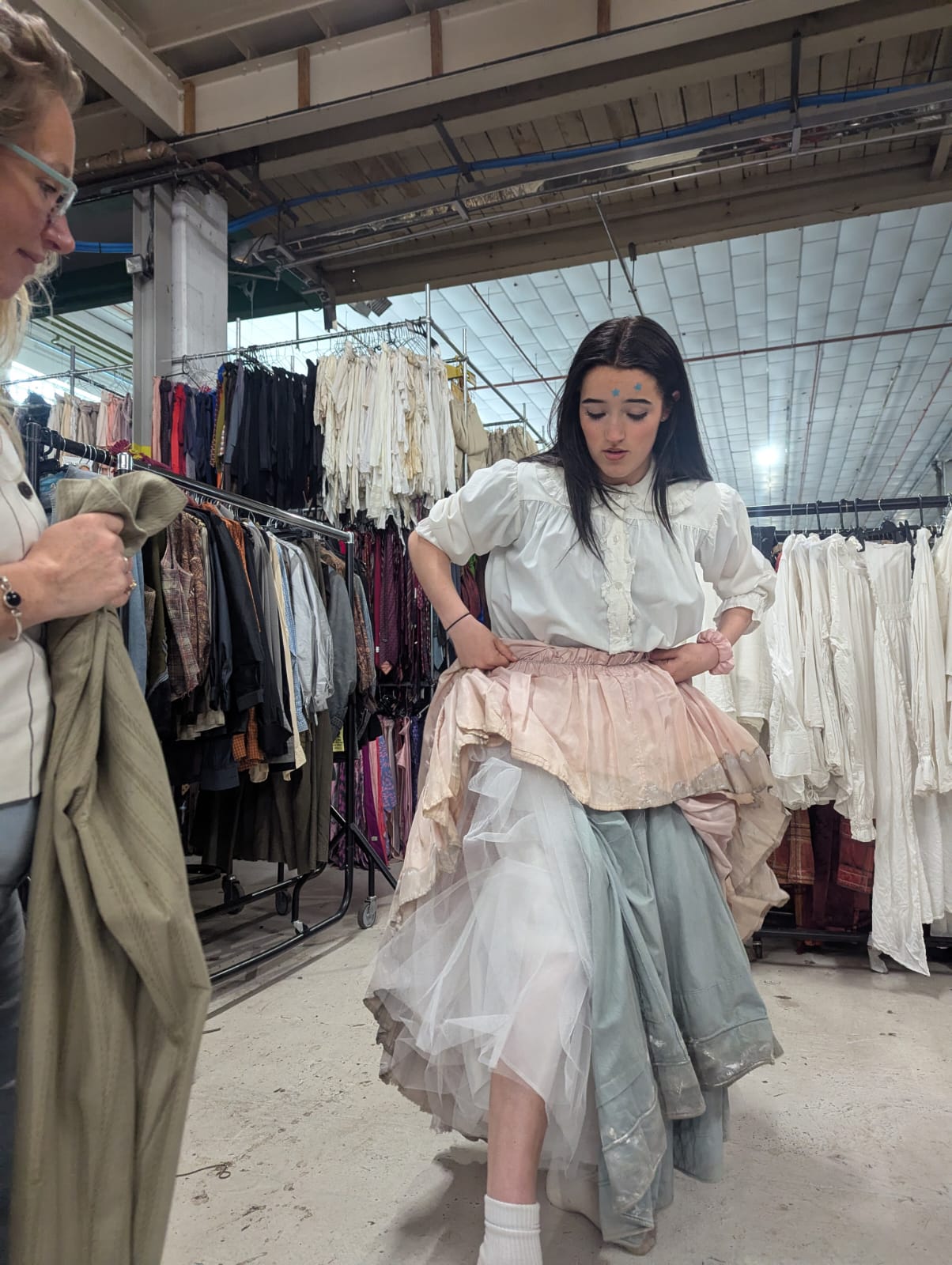
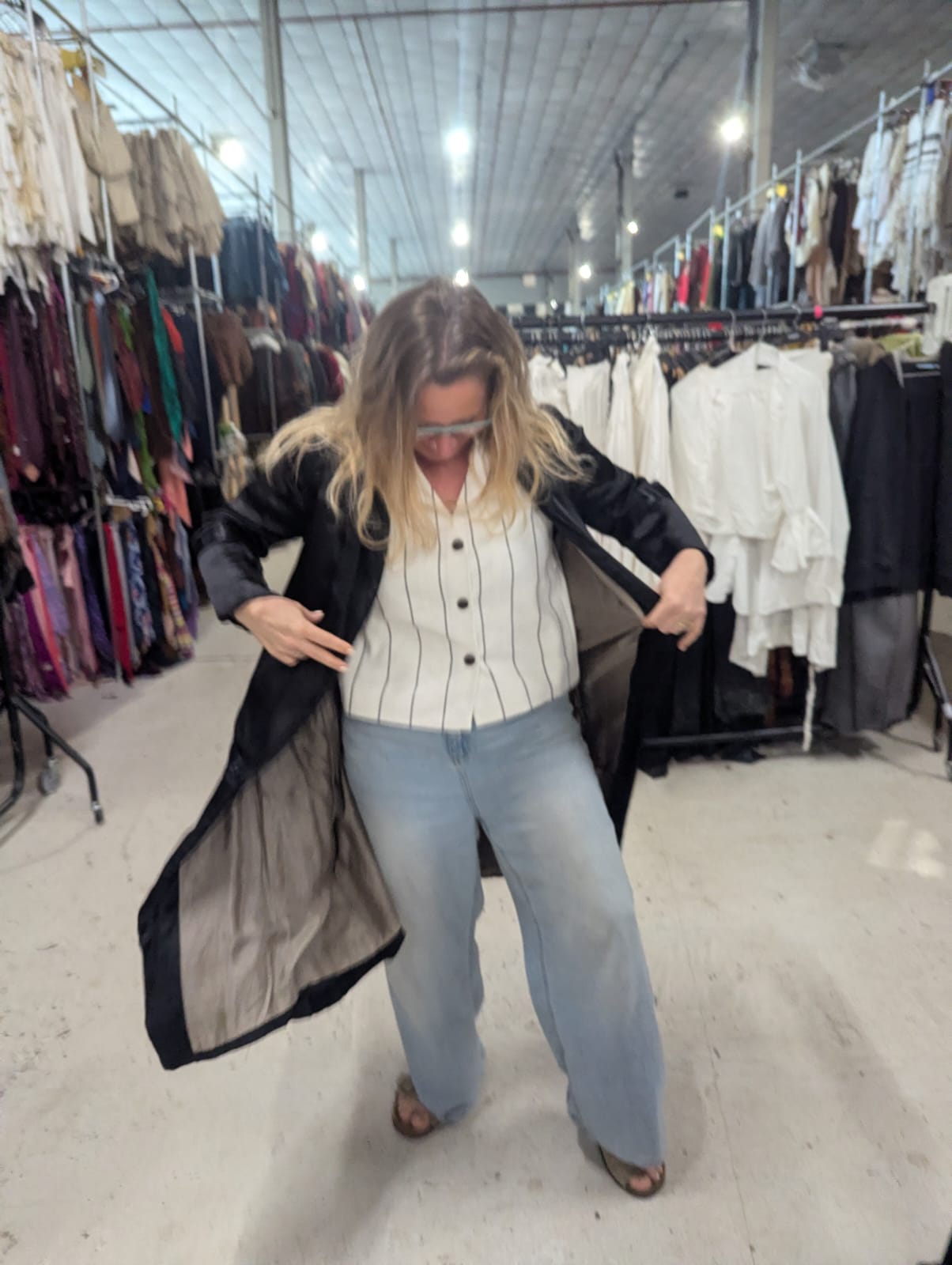
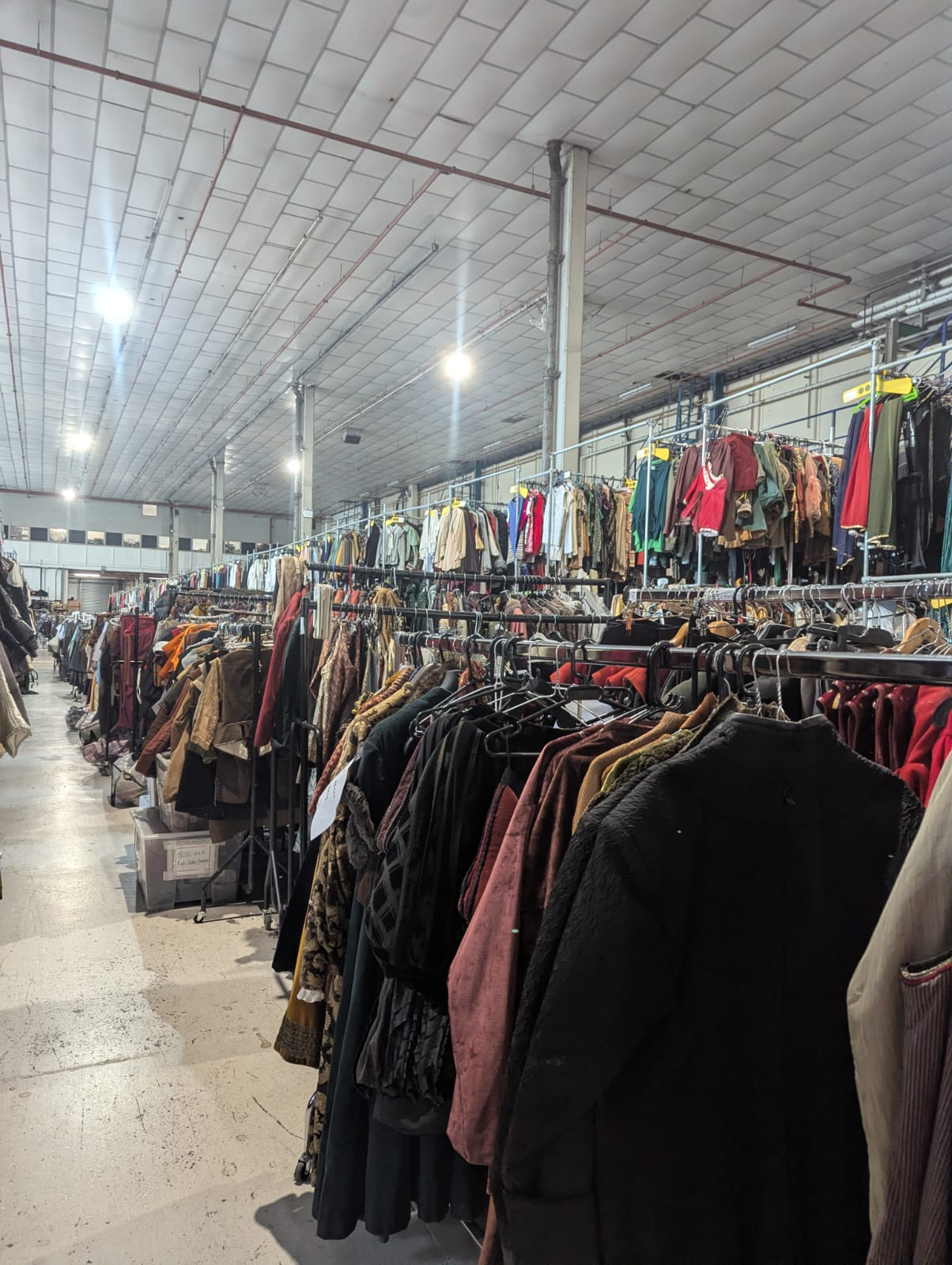
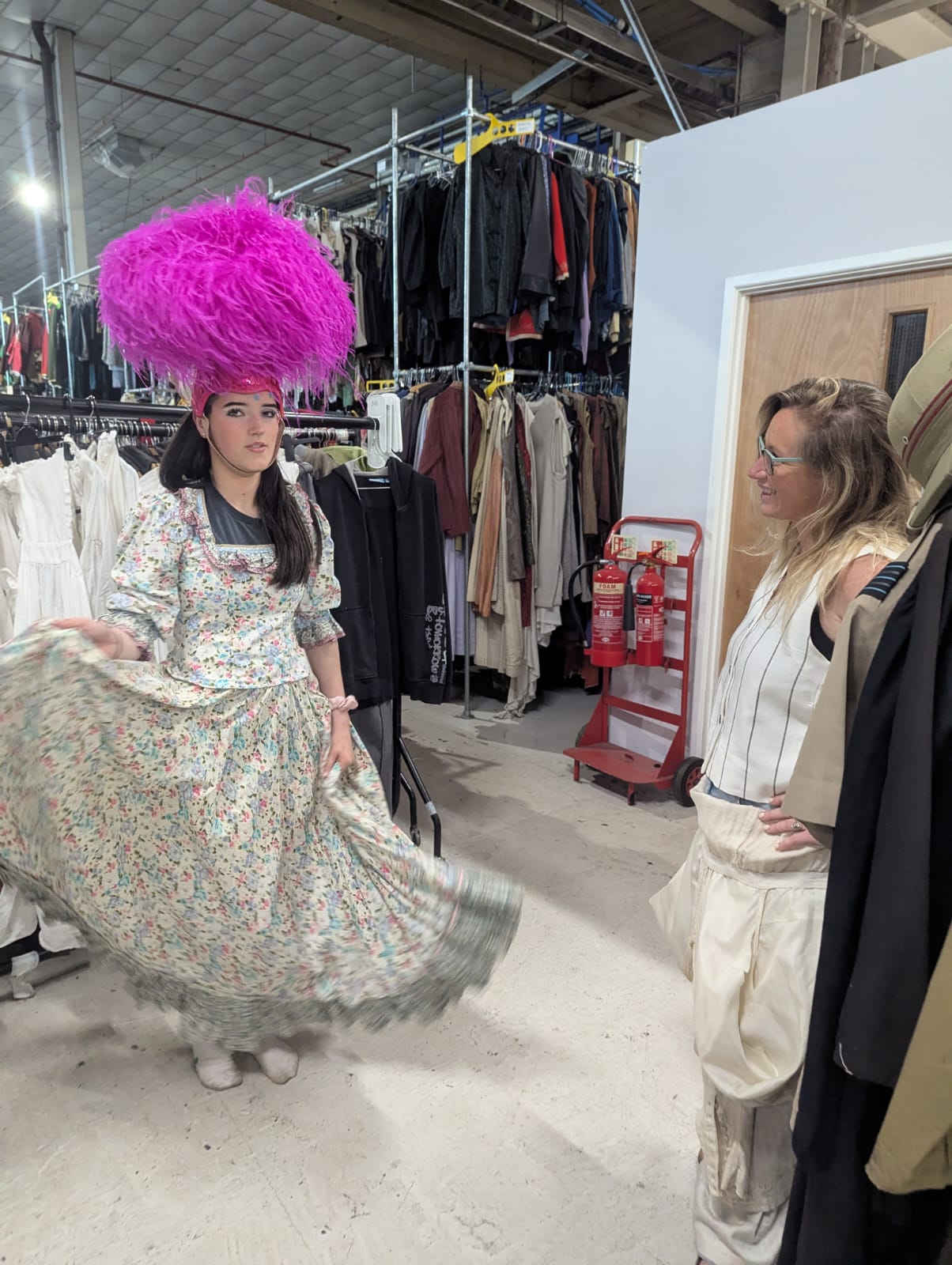
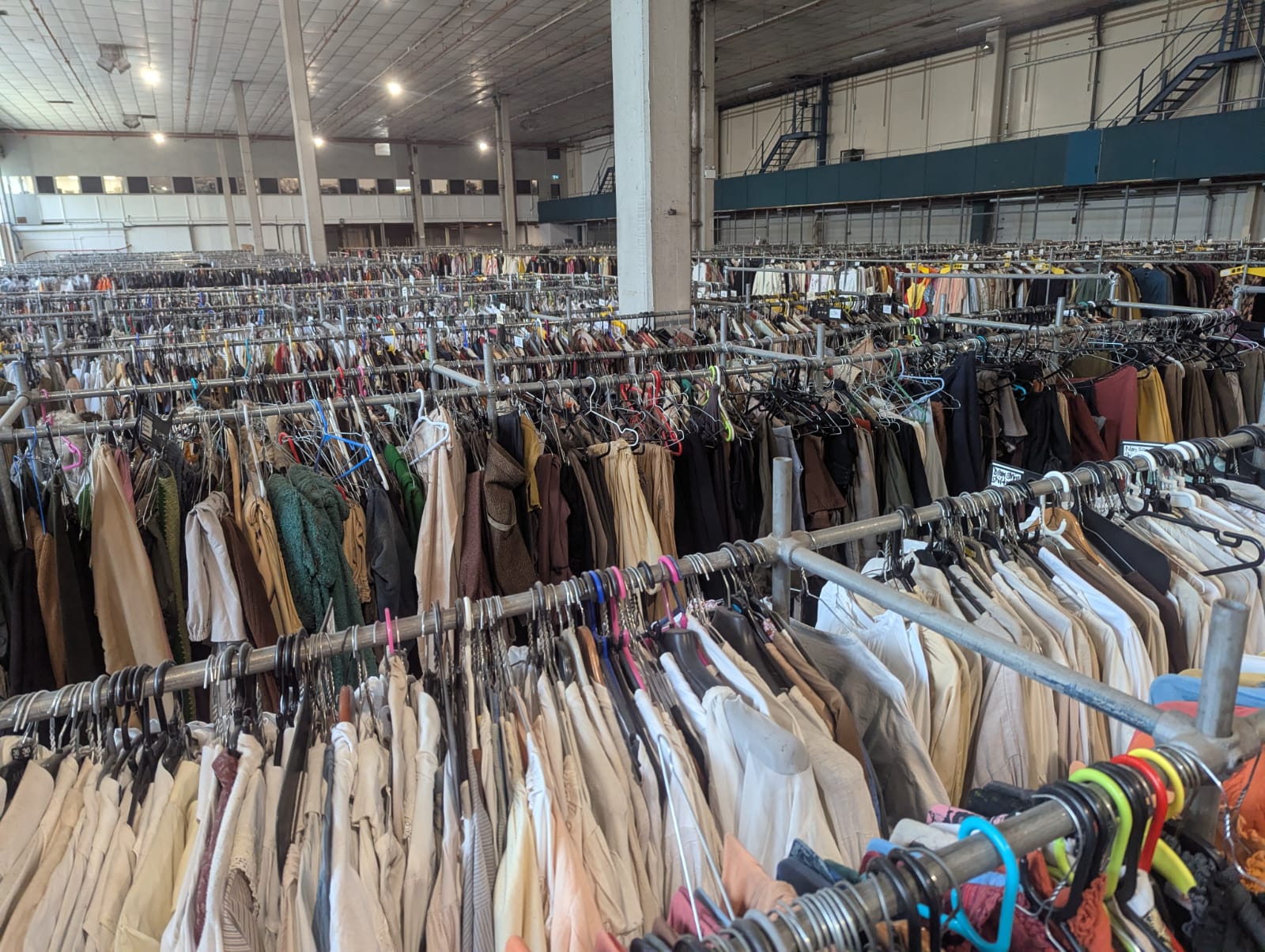
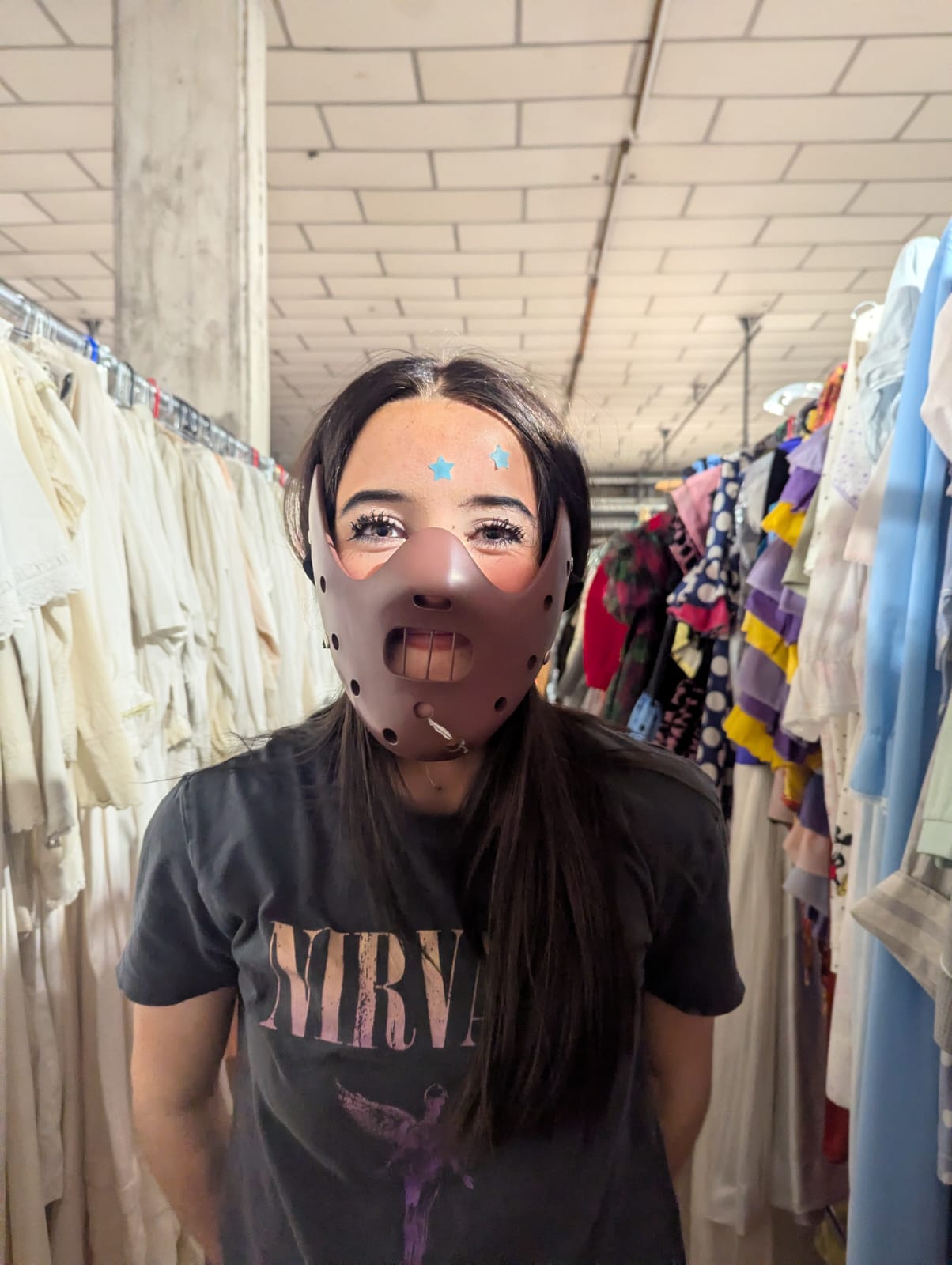
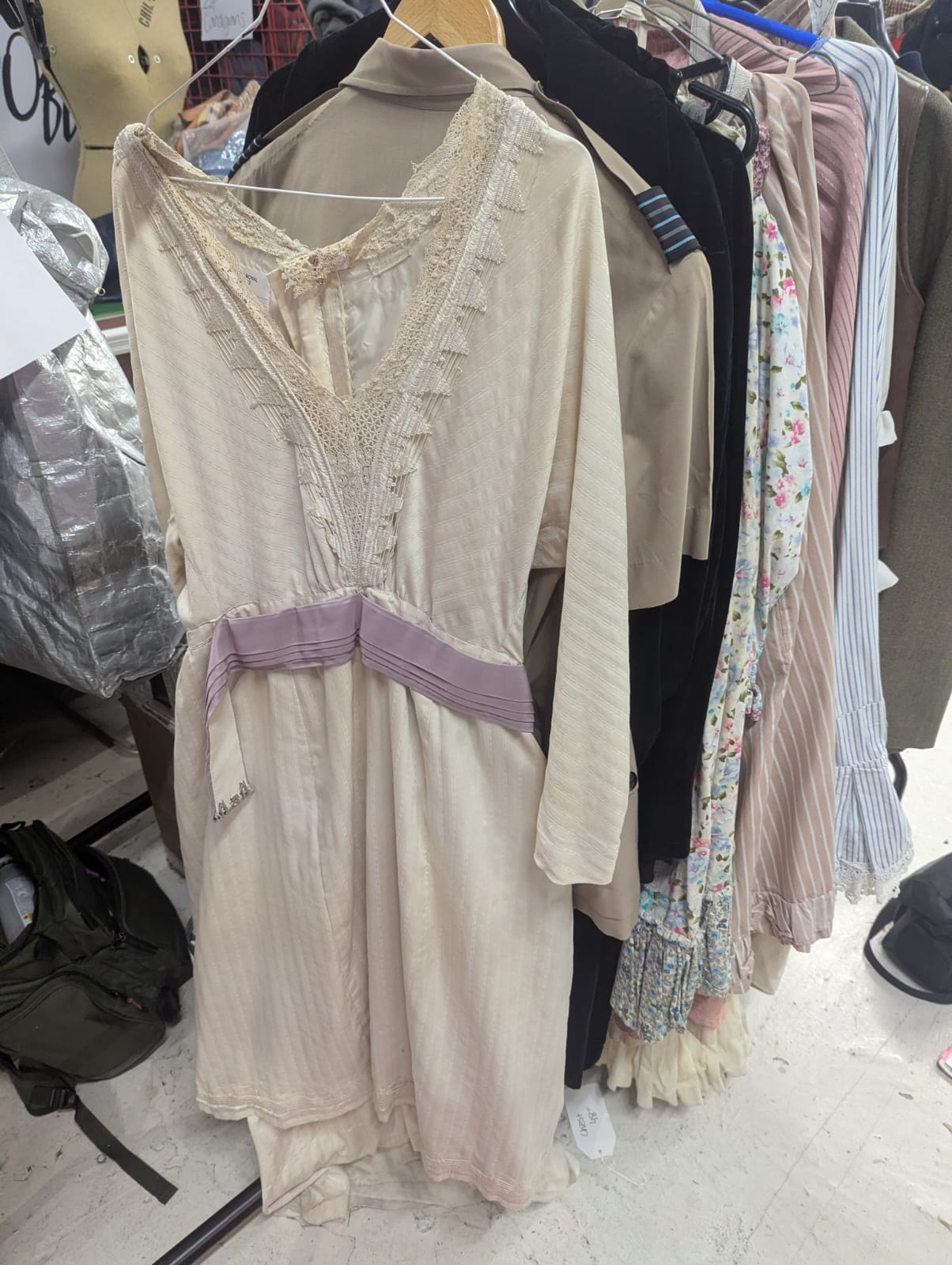
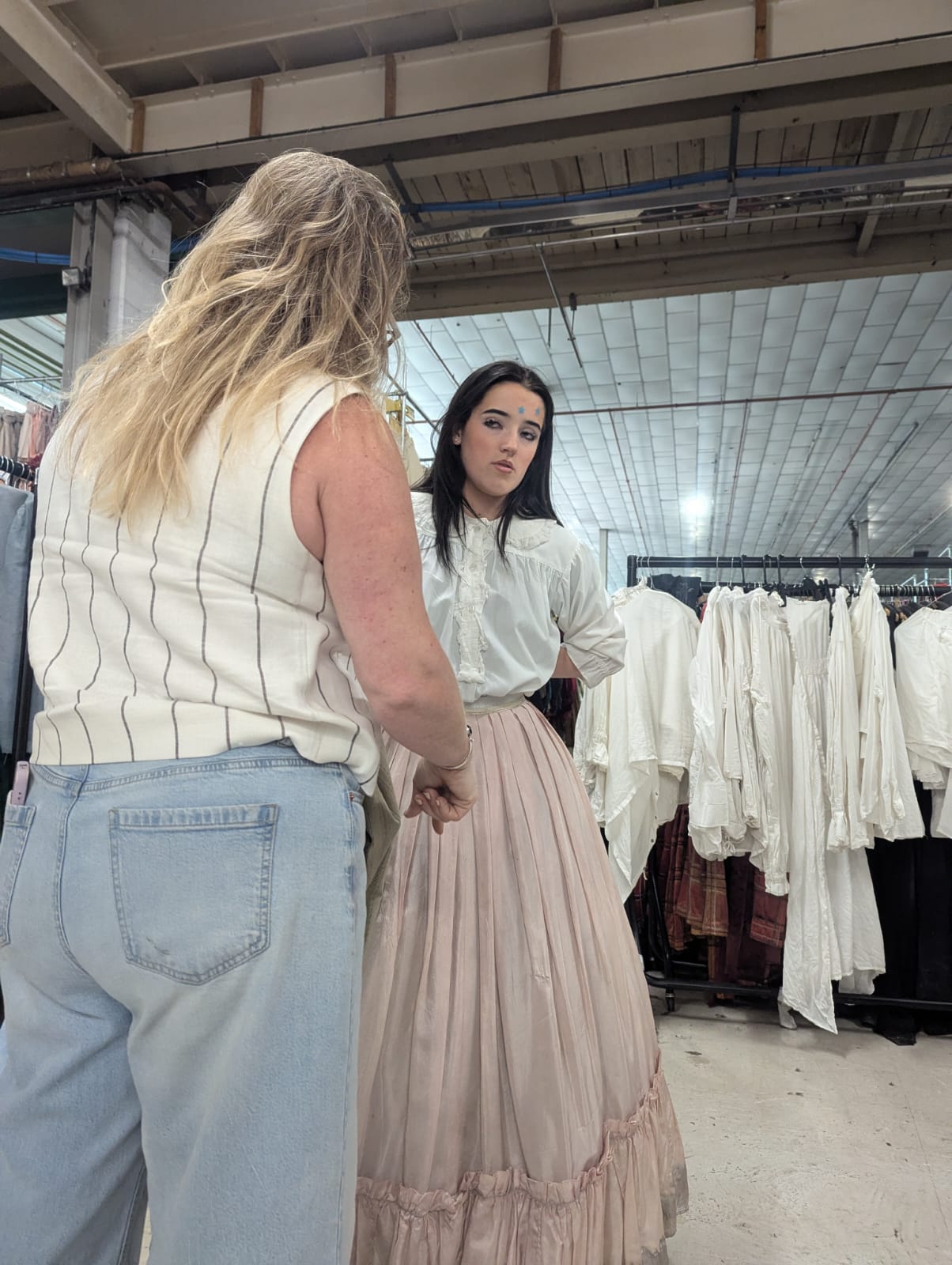
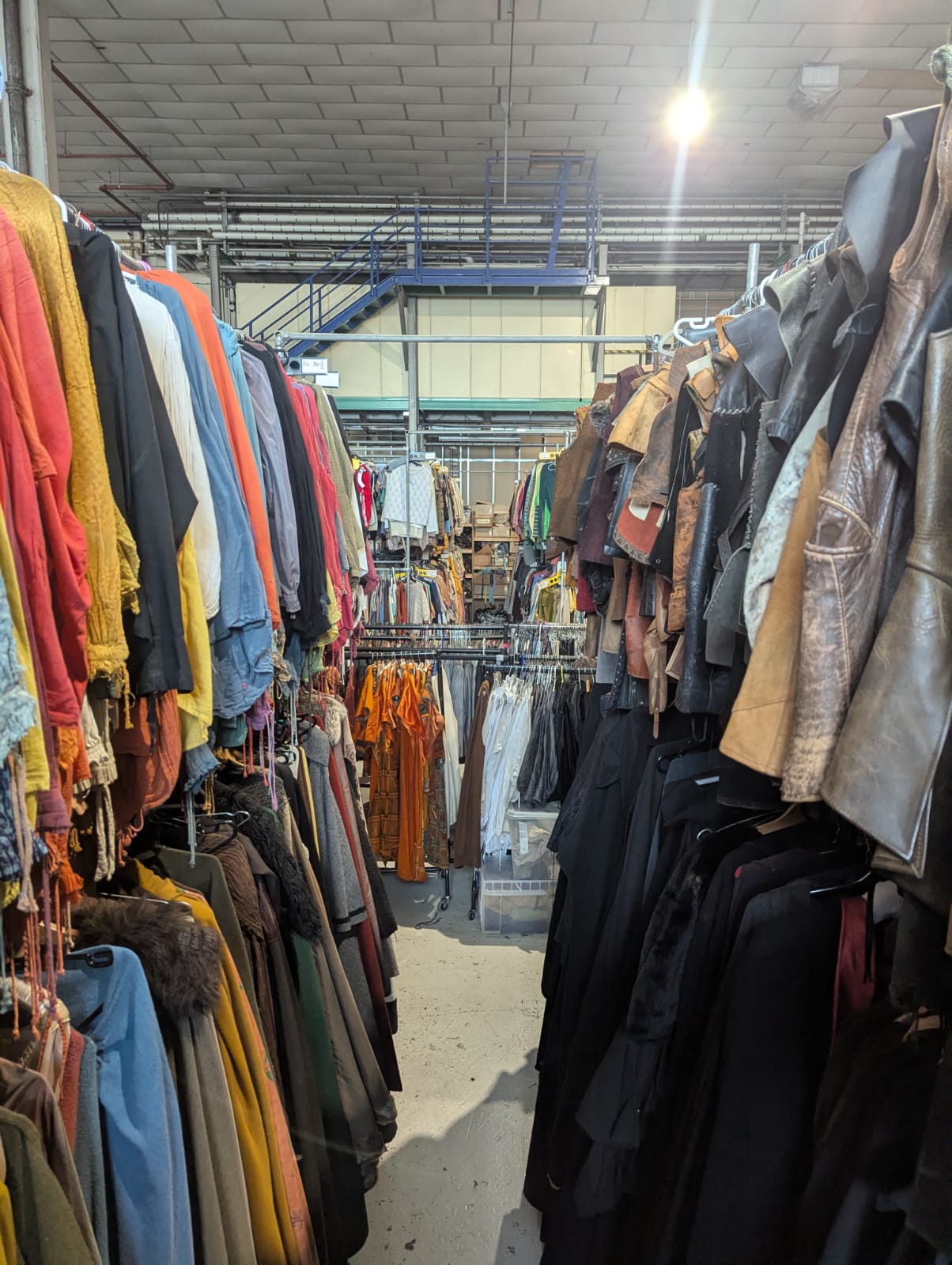
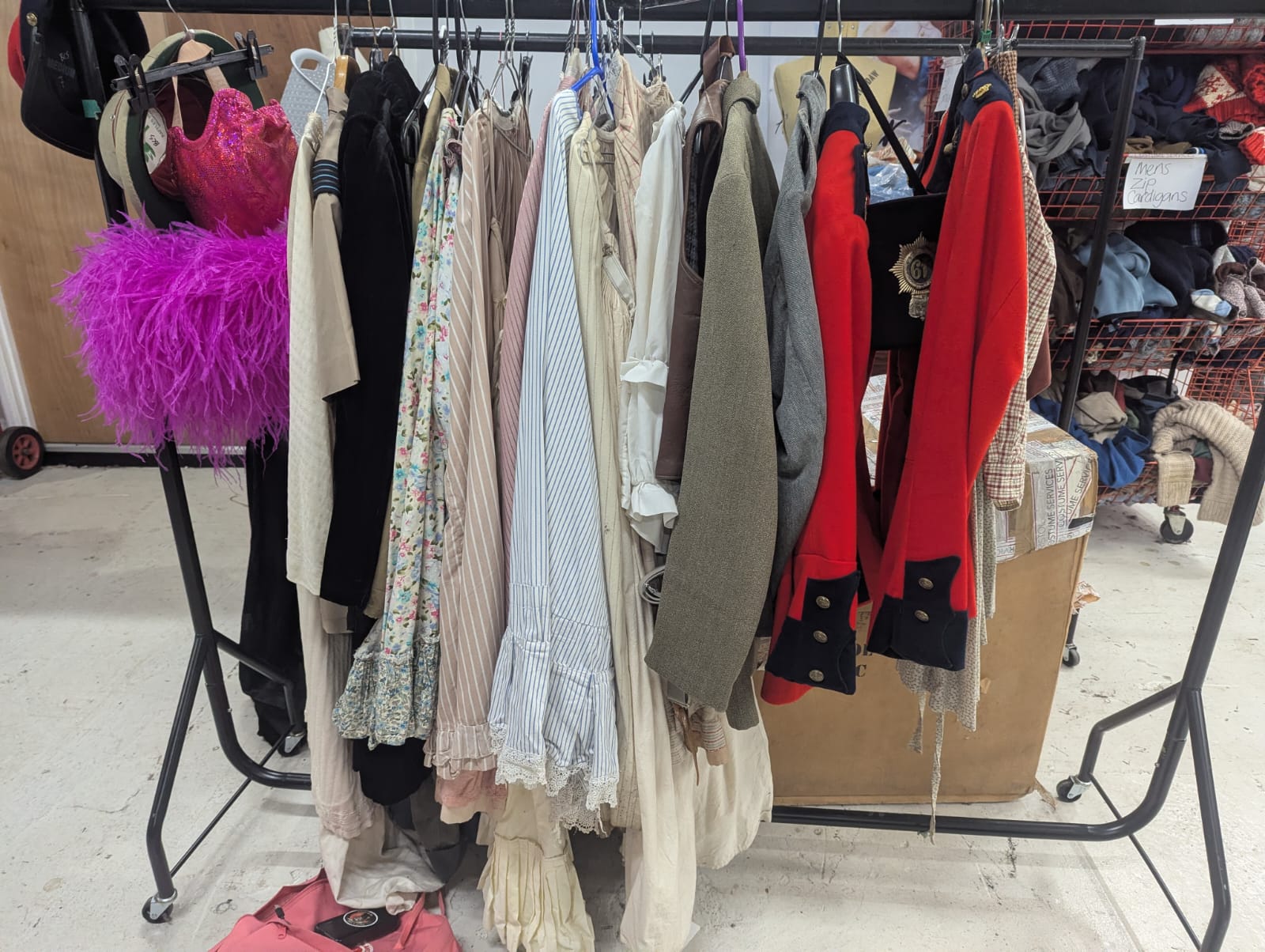
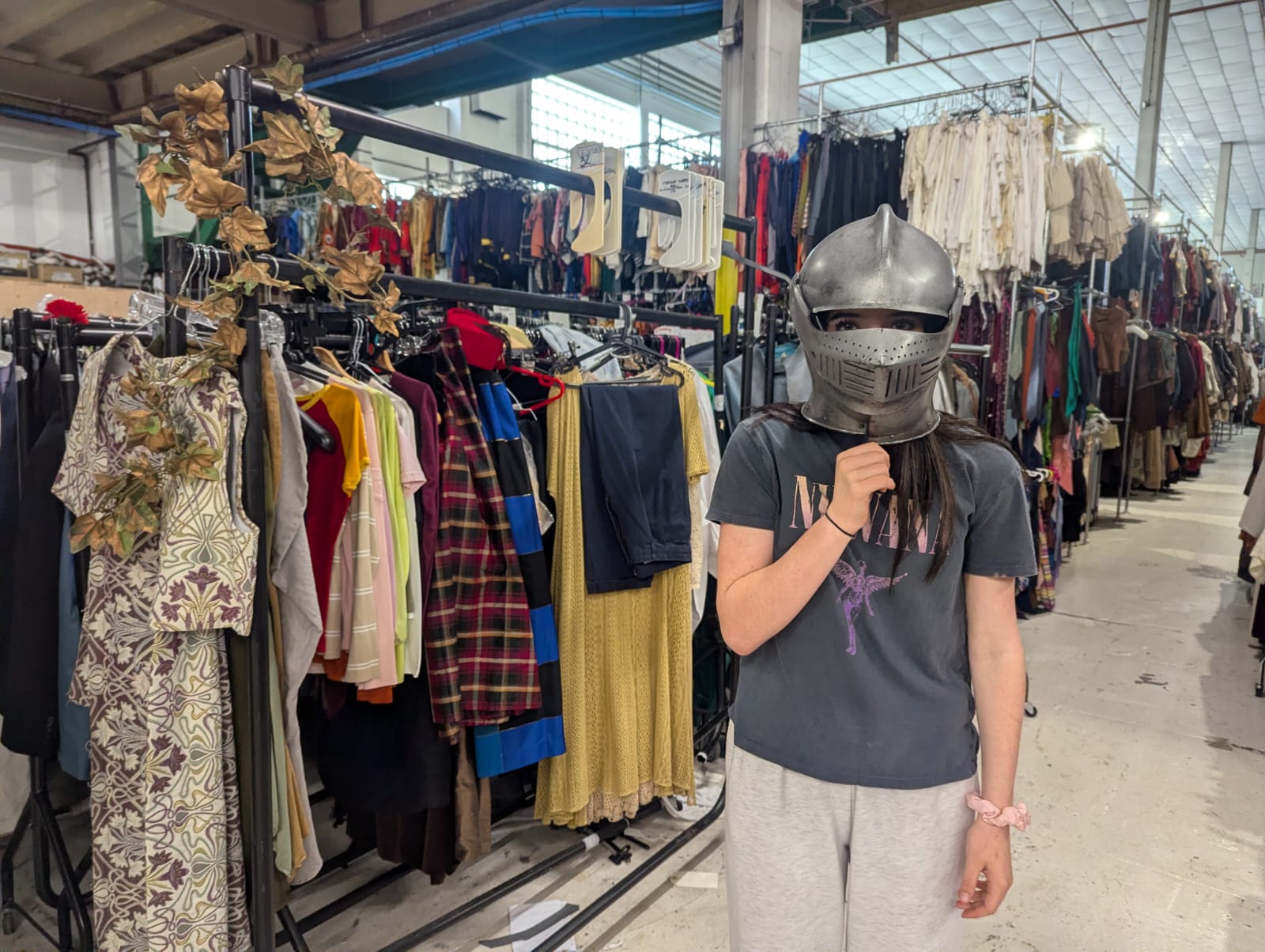
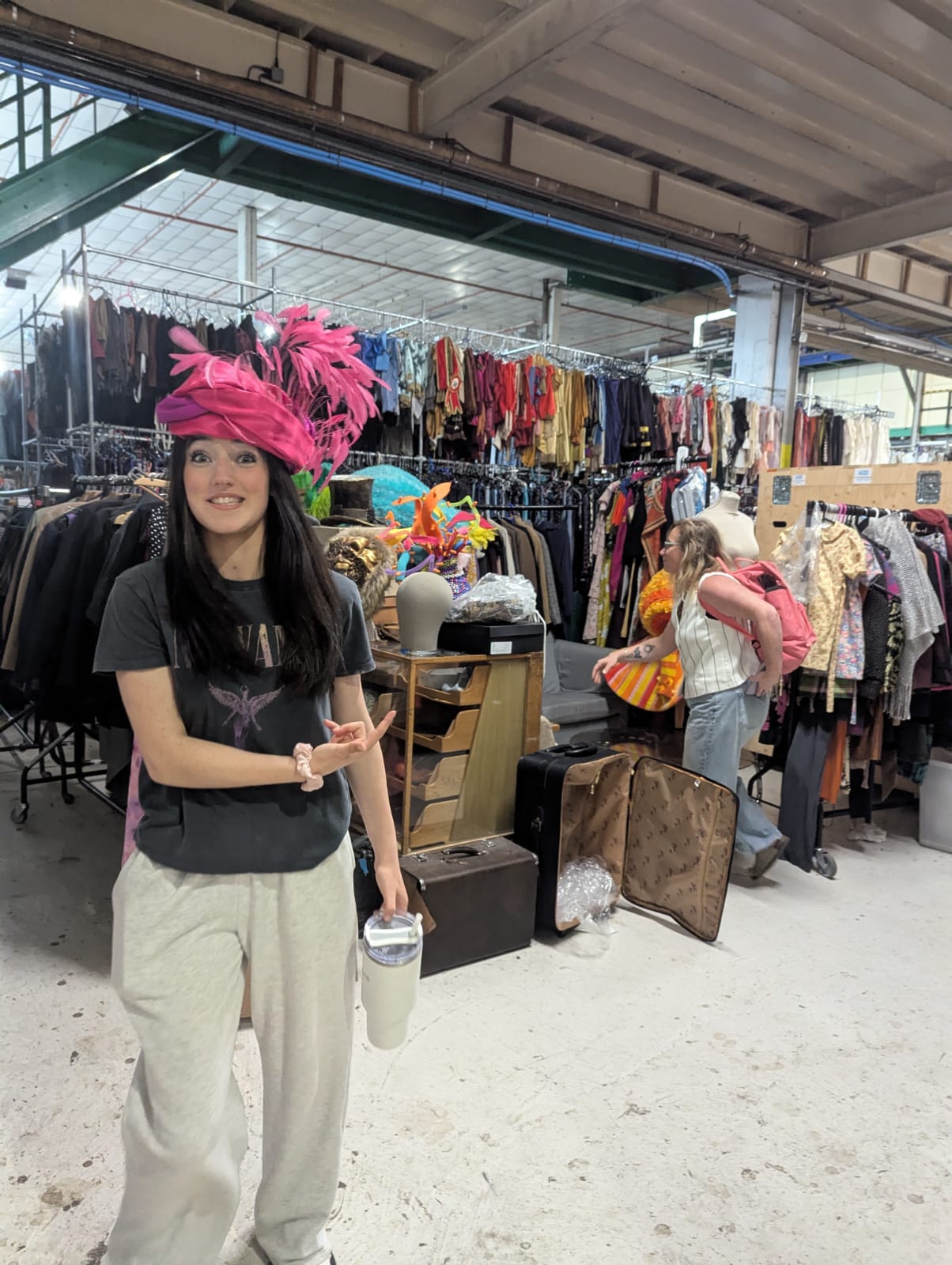
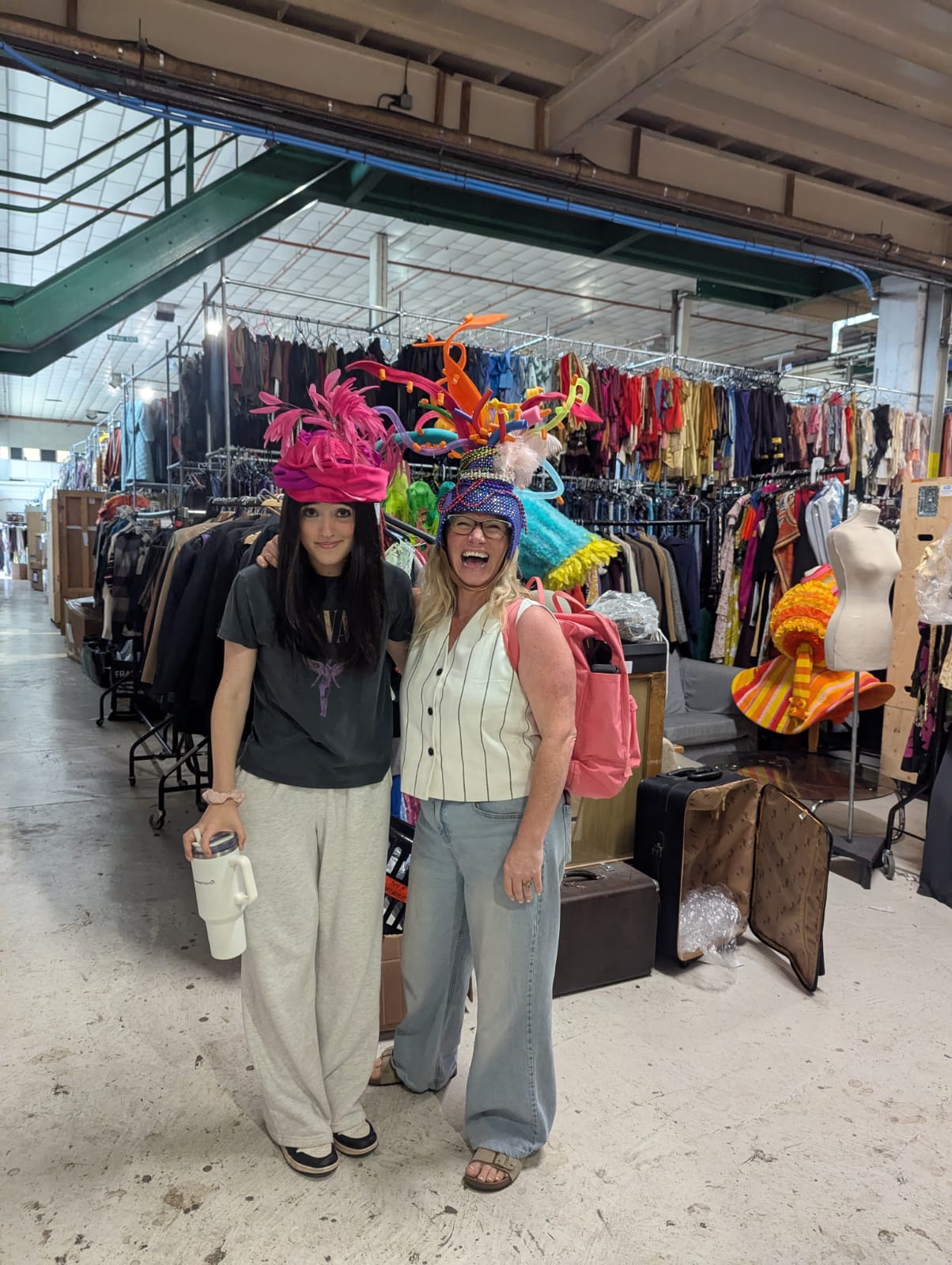
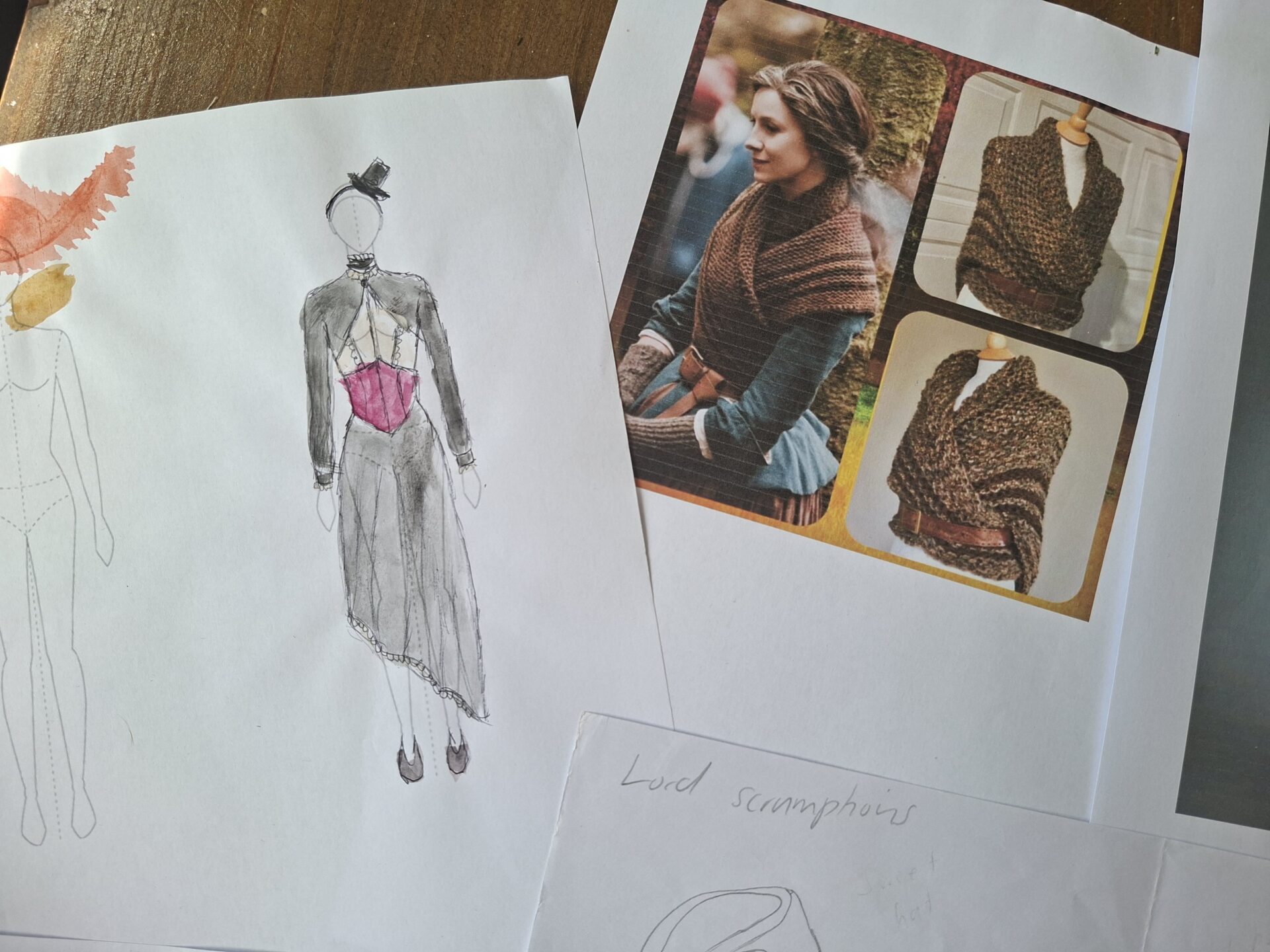 Being inside Bristol Costume Services brought all of that into focus. There was so much to take in, racks of costumes stretching through the space, each one with its own character and history. The young people were immediately drawn to different pieces, noticing details, fabrics, shapes and textures in a way that’s hard to replicate in a classroom or rehearsal room. It quickly turned into a very hands-on experience, with people trying things on, swapping ideas, and beginning to imagine how elements from different costumes might be reworked or combined.
One of the most important parts of the day was having a young person from one of our DAS groups join us. They were able to experience everything first-hand, not just observing but actively taking part in conversations and decisions. Seeing their confidence grow across the visit, particularly when engaging with the costumes and sharing their own thoughts, really brought home why these opportunities matter.
We also spent a lot of time talking about sustainability and upcycling, which has become a key part of our approach to costume work. There was a lot of discussion around how materials can be reused, reworked and reimagined, and how environmental awareness can actually lead to more creative outcomes rather than limiting them. The young people have really taken to this way of thinking — they’re not just accepting what a costume “should” be, but questioning how it could be built differently and what could be repurposed to achieve that.
What stood out most across the visit was how quickly ideas started to form. Not fixed designs, but sparks of concepts that we can now take forward and develop together. That’s what makes this process so exciting — it isn’t about arriving at answers straight away, but building something gradually through exploration and collaboration.
We’re now looking ahead to seeing how these ideas start to take shape in the lead-up to August. Knowing that some of what was discussed and imagined during this visit will eventually appear on stage at the Palace Theatre makes the whole process feel even more real.